Dinner · Winter stews
Sauerkraut and White Bean Winter Stew for Cold Dinners
Sauerkraut goes in near the end so its sharp tang stays bright against soft potatoes and creamy cannellini beans. Fennel seed, bay and stone-ground mustard give the broth a savory backbone for a one-pot winter dinner.
- Total
- 60 min
- Active
- 15 min
- Servings
- Calories
- 378 cal / serving
- Difficulty
- Medium
Ingredients · 4 servings
- 1 1/2 cups sauerkraut, drained and lightly squeezed
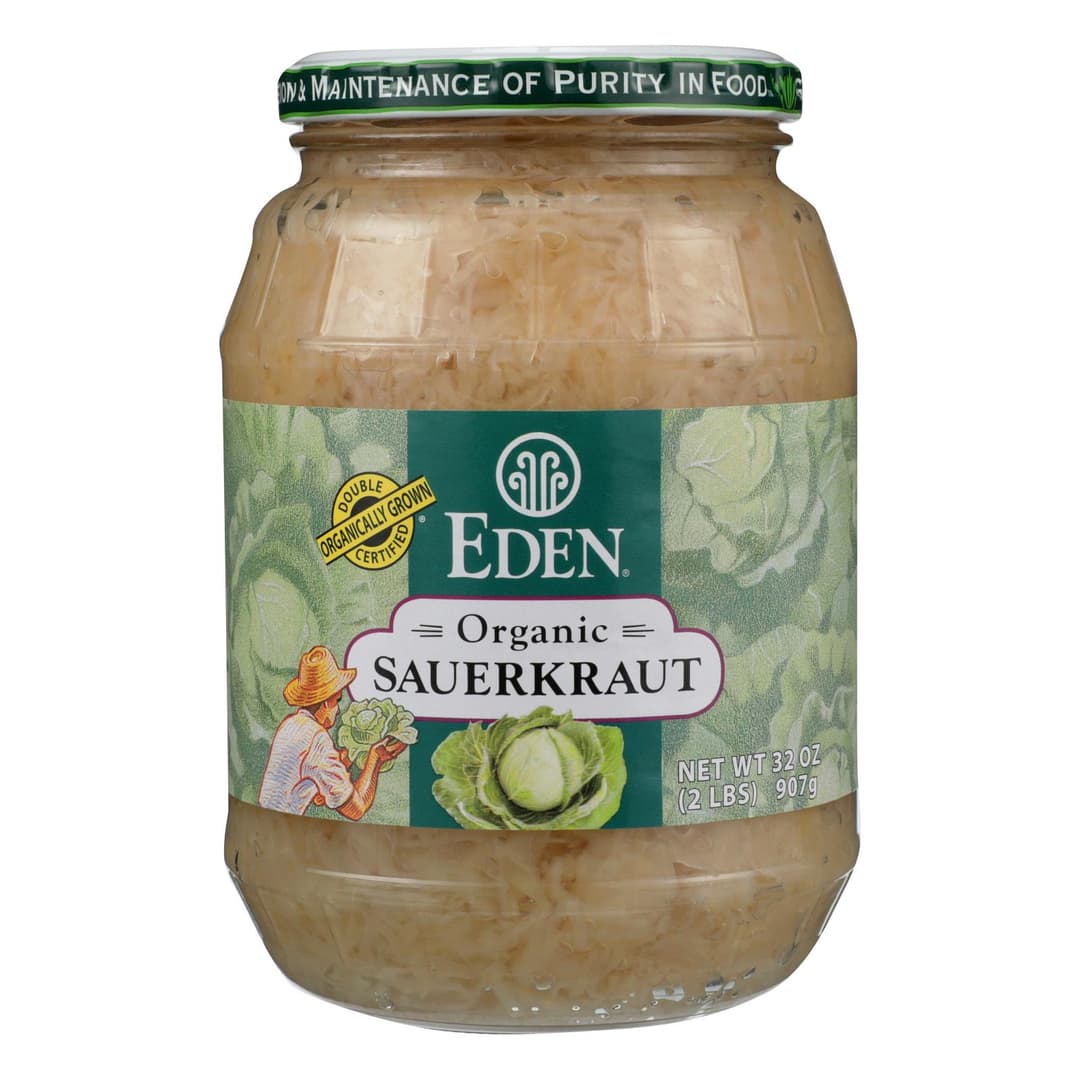 Eden Foods Organic Sauerkraut - 32 oz32 OZ · $9.63
- 2 cans (13 oz each) cannellini beans, rinsed well and drained
- 2 tablespoons extra virgin olive oil
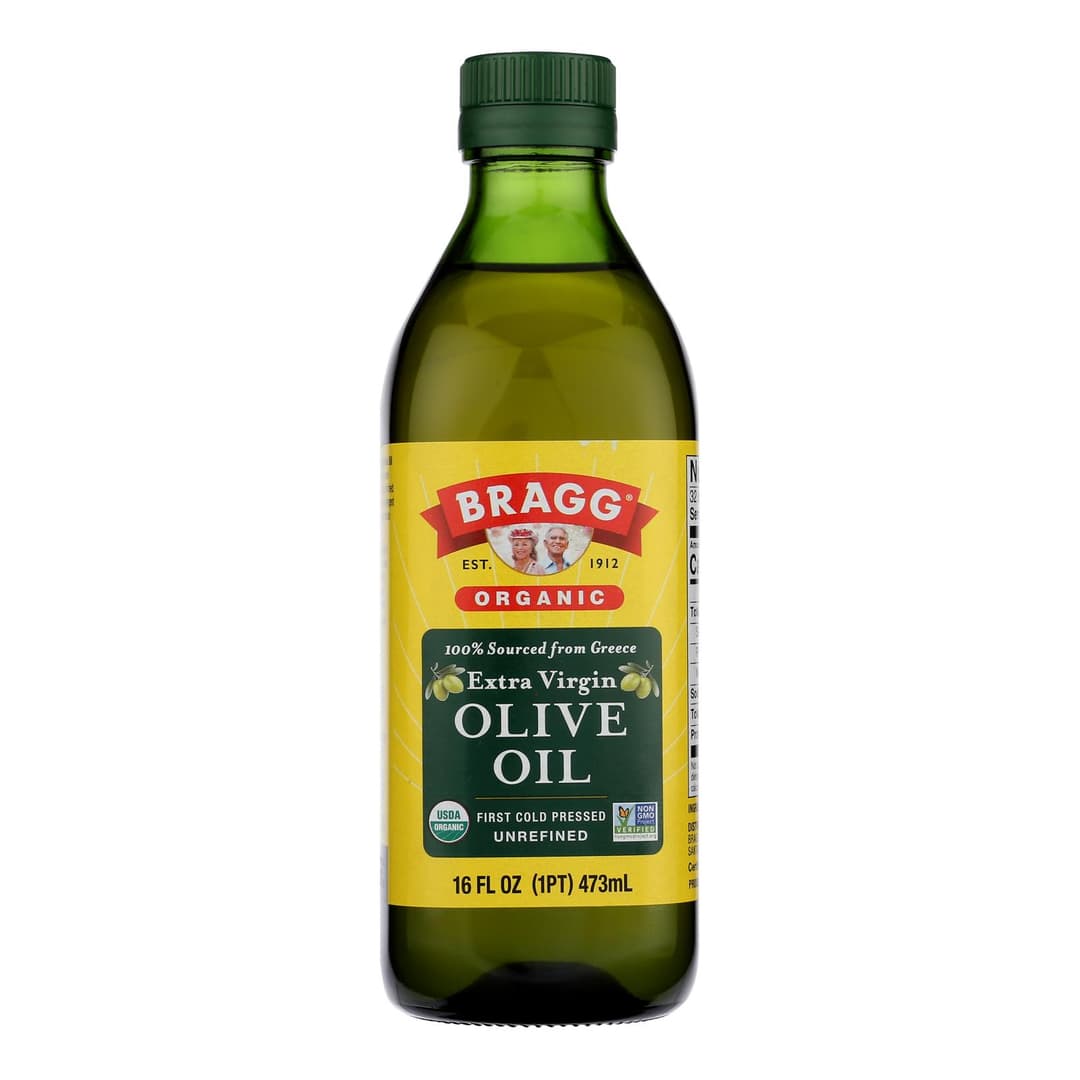 Bragg - Olive Oil - Organic - Extra Virgin - 16 fl oz16 FZ · $20.14
- 2 dried bay leaves
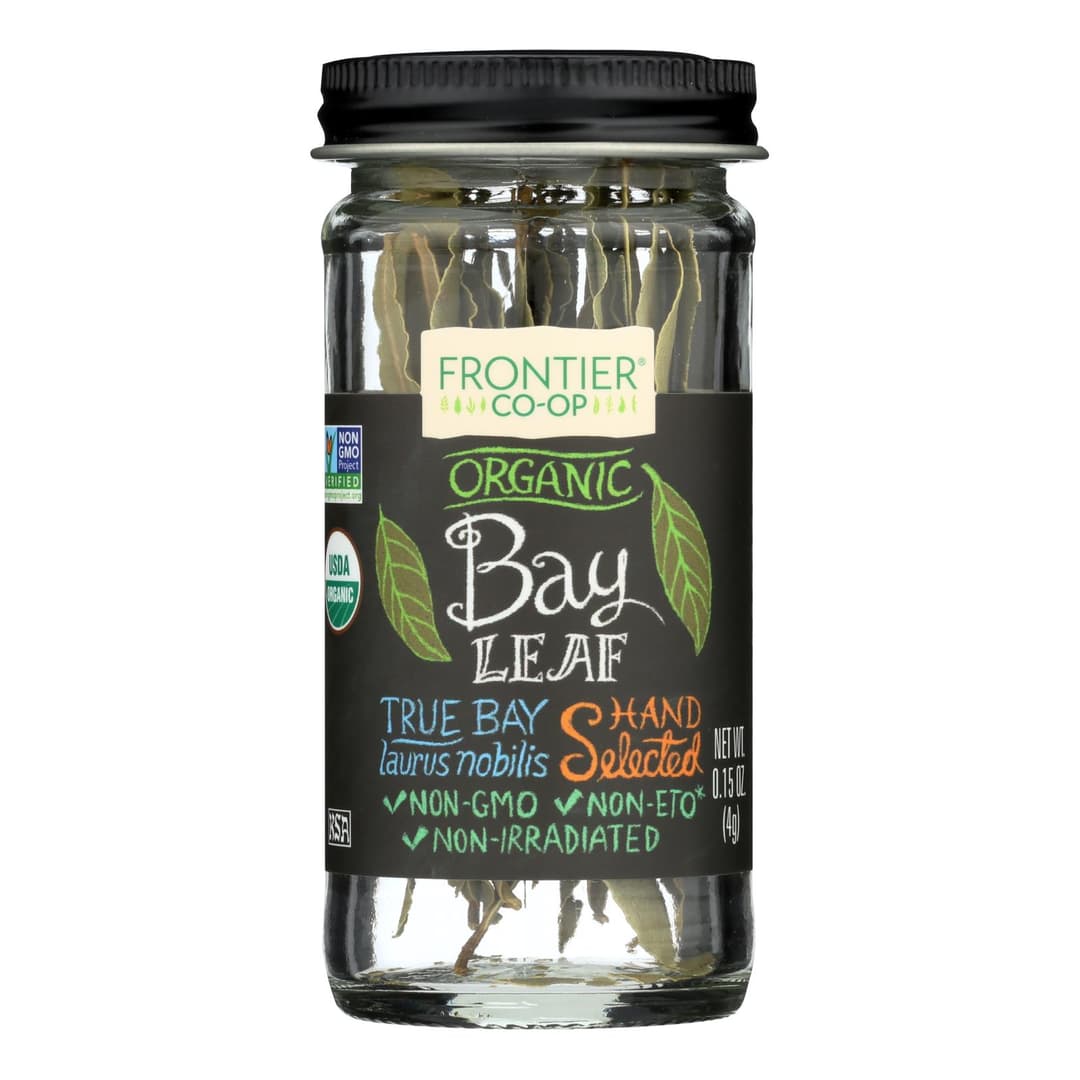 Frontier Herb Bay Leaf - Organic - Whole - 0.15 oz.15 OZ · $7.81
- 1 teaspoon whole fennel seed, lightly crushed
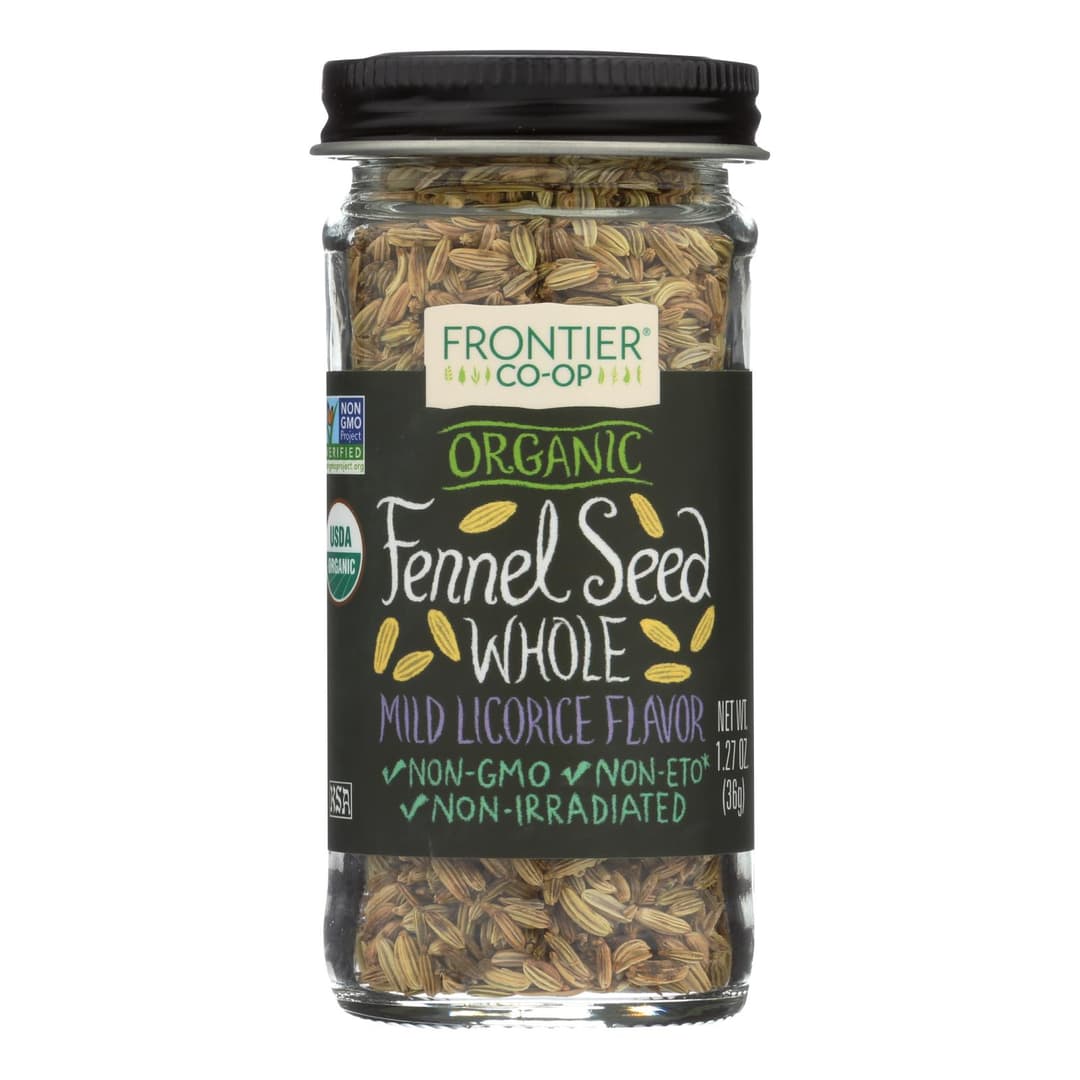 Frontier Herb Fennel Seed - Organic - Whole - 1.28 oz1.28 OZ · $5.80
- 1 tablespoon stone-ground mustard
 Woodstock Organic Stone Ground Mustard - 8 oz8 OZ · $4.50
- 1 large yellow onion, diced
- 2 carrots, peeled and cut into 1/4-inch slices
- 2 celery ribs, diced
- 3 garlic cloves, minced
- 1 pound Yukon Gold potatoes, cubed about 3/4 inch
- 4 cups vegetable broth
- 1/4 teaspoon kosher salt, plus more if neededpantry staple
- Freshly ground black pepper and chopped parsley, to finishpantry staple
Checked items are in your order. Amounts scale with servings; products are sold as whole packages.
Steps
Soften the vegetables
Heat the olive oil in a 5- to 6-quart pot over medium heat for 1 minute. Add onion, carrots, celery and the salt, and cook for 8 minutes, stirring often, until the onion is translucent and the carrot slices bend without snapping.
⏱ 1 min⏱ 8 min
Toast the aromatics
Stir in garlic, crushed fennel seed and mustard. Cook for 1 minute, stirring constantly, until the garlic smells sweet and the mustard coats the vegetables. Do not let the garlic brown.
⏱ 1 min
Simmer the base
Add potatoes, broth, bay leaves and the drained beans. Bring to a boil over high heat, then reduce to medium-low, cover and simmer for 20 minutes, until a potato cube slides off a fork when pierced.
⏱ 20 min
Stir in sauerkraut
Remove the lid, stir in the sauerkraut, and simmer uncovered for 10 minutes. Press about a quarter of the beans against the pot wall with a spoon so the broth turns creamy. The stew is ready when it reaches 165°F in the center and the cabbage is soft.
⏱ 10 min
Rest and season
Take the pot off the heat, fish out the bay leaves and let it stand for 5 minutes. Taste, then add pepper and a pinch more salt only if needed, since sauerkraut brine adds its own. Scatter parsley over each bowl.
⏱ 5 min
Nutrition per serving estimated
1 serving = 1 generous bowl (about 2 1/2 cups)
- Calories
- 378
- Protein
- 15.5 g
- Carbs
- 61.2 g
- Fat
- 7.8 g
- Fiber
- 17.1 g
- Sugar
- 5.9 g
- Sodium
- 1634 mg
Estimated from package nutrition labels and USDA FoodData Central values. Actual values vary.
Related recipes

Snowball cookies · 60 min
Almond Snowball Cookies
Powdered sugar coats tender almond snowball cookies in 60 minutes, including cooling, for a snowy baking platter with a buttery crumb and vanilla aroma.
Read recipe →
Muffins · 52 min
Apple Bran Breakfast Muffins
Bake apple bran breakfast muffins in 52 minutes, with cinnamon, tender grated fruit and a soft crumb for a make-ahead basket of small morning portions.
Read recipe →
Holiday loaf cakes · 105 min
Apple Butter Gingerbread Loaf
Apple butter and blackstrap molasses give this spelt gingerbread a tender, dark crumb; set aside 1 hour 45 minutes for Christmas baking and cooling.
Read recipe →Tips and substitutions
Squeeze the sauerkraut lightly before adding it; a little brine is welcome, but a full jar of liquid can make the stew too sharp.
Add the sauerkraut only after the potatoes are tender, because long simmering mutes its tang and softens it past pleasant.
If the stew thickens overnight, loosen it with a splash of broth or water while reheating.
Use another white bean such as great northern or navy beans, drained and rinsed like the cannellini.
The stew has no dairy; for a gluten-free version choose a vegetable broth and mustard whose labels do not list wheat.
Swap the potatoes for parsnips or turnips, cut to the same size, and keep the 20-minute covered simmer.
Storage, serving and make-ahead
Storage
Pack leftovers into a lidded container once the pot has cooled for no more than 2 hours, then chill it at 40°F (4°C) or colder. Eat within 3 days, bringing each portion back to 165°F, stirring, before serving. Do not leave beans at room temperature overnight.
Serving suggestions
Ladle into warm bowls with a spoonful of extra mustard on the side and rye toast or a crusty loaf for mopping up the broth.
Make ahead
Cook through step 3 up to 1 day ahead, chilling the pot contents inside 2 hours of cooking. Reheat to a simmer, then add the sauerkraut and finish as written so its tang stays bright.
Allergens and product labels
Contains: mustard, celery.
Check each product label for allergen details.
Not offered right now: 2 cans (13 oz each) cannellini beans, rinsed well and drained.
Questions about this recipe
Do I need to rinse the sauerkraut?
Usually no. Drain it and squeeze lightly. If your jar tastes very salty, rinse a handful under cold water and add salt only at the end.
Can I use dried beans instead of canned?
Yes. Cook about 1 1/4 cups dried cannellini beans until fully tender first, then use 3 cups cooked beans. Dried beans must be boiled until soft; never serve them undercooked.
Why does the stew taste sharper the next day?
Sauerkraut keeps flavoring the broth as it sits. Add a splash of water or broth when reheating, or stir in a spoonful of olive oil to soften the edge.
About this recipe
Estimates use package labels and USDA data; actual values vary.
By Akechi · Published .
Ingredient amounts are for cooking; products are sold as retail packages and pantry extras may be needed. Browse all recipes.