Dinner · Winter soups
Chickpea Turmeric Brown Rice Winter Soup
Brown jasmine rice cooks right in the broth and thickens the pot as it simmers, while chickpeas go in near the end so they stay tender and whole. Turmeric and ginger turn the broth golden and warm, and a splash of shoyu and lemon rounds out the flavor. It is a one-pot supper that feeds six on a cold evening.
- Total
- 65 min
- Active
- 15 min
- Servings
- Calories
- 220 cal / serving
- Difficulty
- Medium
Ingredients · 6 servings
- 3/4 cup brown jasmine rice, rinsed
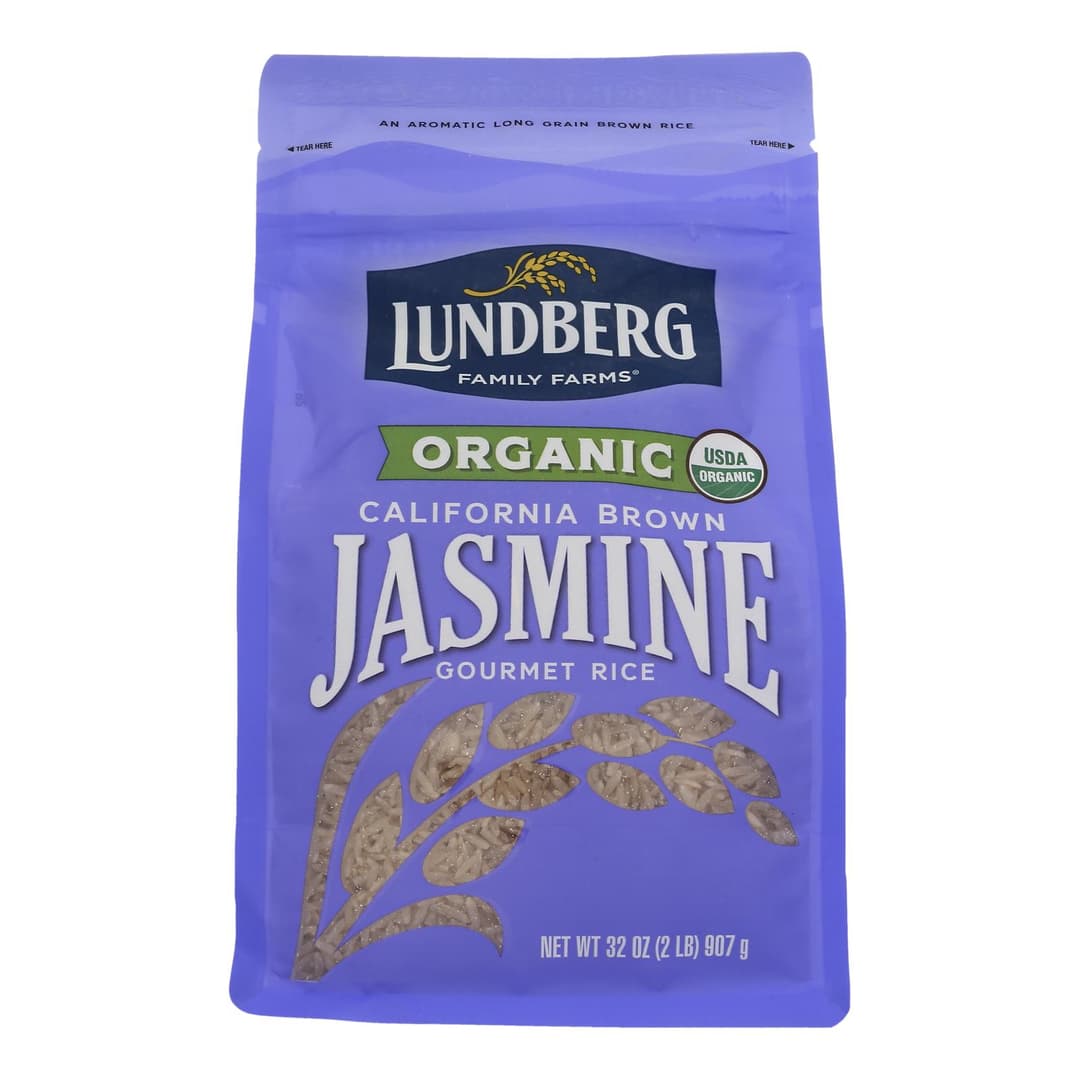 Lundberg Family Farms Brown Jasmine Rice - 2 lb2 LB · $11.30
- 1 jar (13 ounces) chickpeas, drained and rinsed
- 2 teaspoons ground turmeric
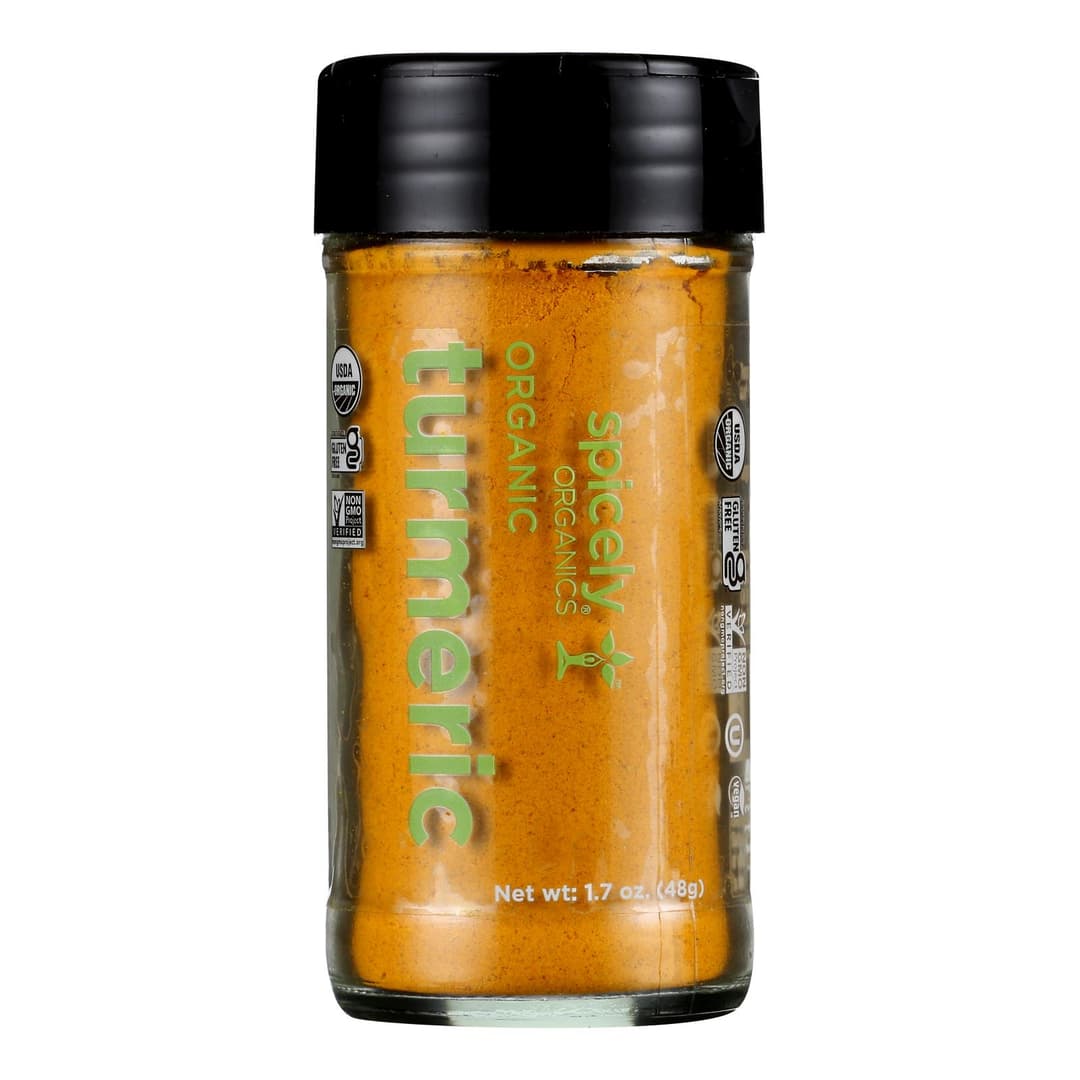 Spicely Organics - Organic Turmeric - 1.7 oz1.7 OZ · $8.63
- 1 teaspoon ground ginger
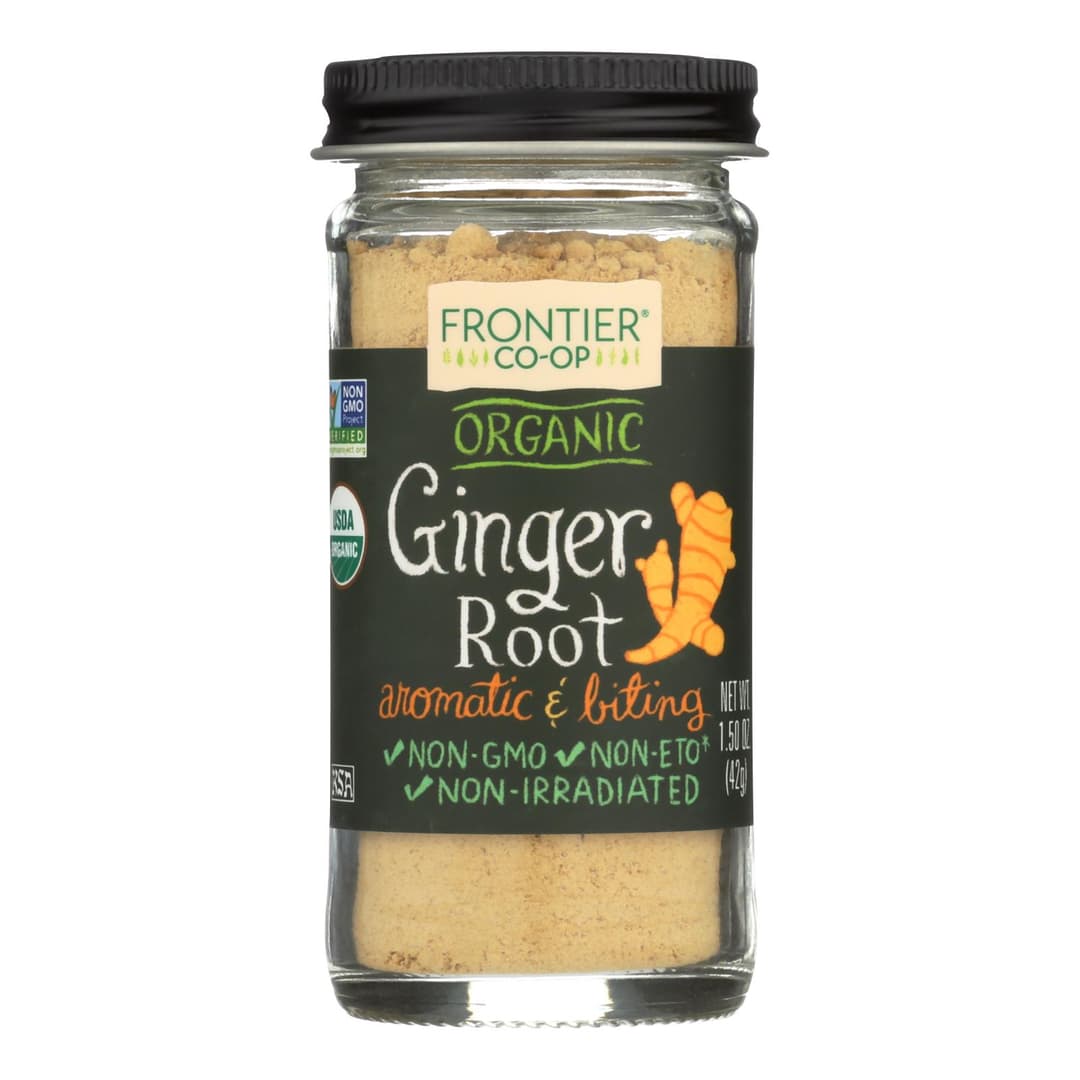 Frontier Herb Ginger Root - Organic - Ground - 1.5 oz1.5 OZ · $7.70
- 2 tablespoons extra virgin olive oil
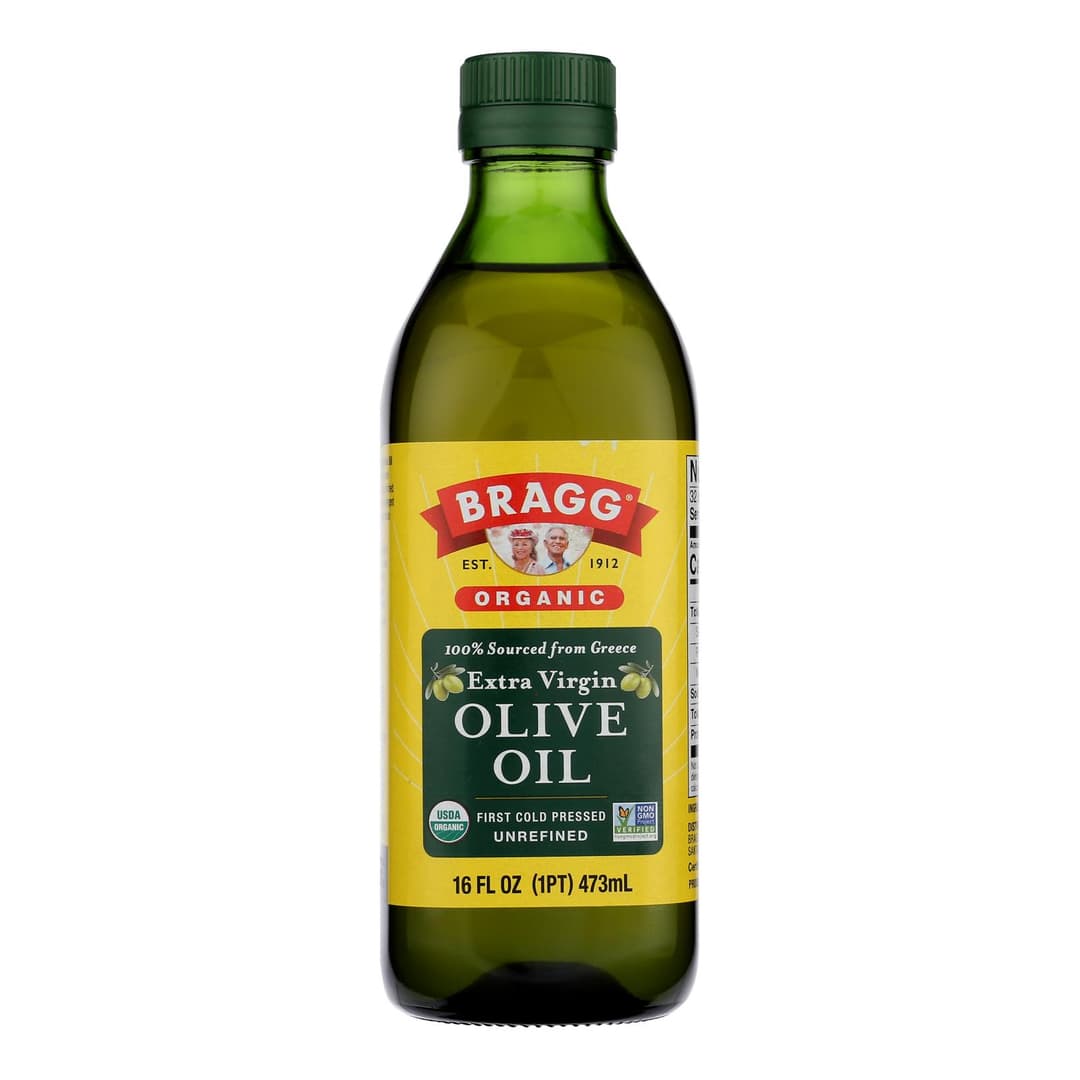 Bragg - Olive Oil - Organic - Extra Virgin - 16 fl oz16 FZ · $20.14
- 1 tablespoon nama shoyu, plus more to taste
 Ohsawa Organic Nama Shoyu - 5 fl oz5 FZ · $12.36
- 1 yellow onion, diced
- 2 carrots, peeled and diced
- 2 celery stalks, diced
- 4 garlic cloves, minced
- 7 cups low-sodium vegetable broth
- 1 tablespoon lemon juice
- 2 tablespoons chopped fresh parsley
Checked items are in your order. Amounts scale with servings; products are sold as whole packages.
Steps
Soften the vegetables
Warm the olive oil in a 5-quart pot over medium heat. Add the onion, carrots and celery with a pinch of salt and cook for 8 minutes, stirring often, until the onion turns translucent and the carrots begin to soften.
⏱ 8 min
Bloom the spices
Stir in the garlic, turmeric and ginger and cook for 1 minute, until fragrant and the vegetables are coated in a deep yellow color. Do not let the garlic brown.
⏱ 1 min
Simmer the rice
Add the rinsed rice and broth and bring to a boil over high heat. Reduce to medium-low, cover with the lid slightly ajar, and simmer for 30 minutes, stirring occasionally, until the rice is nearly tender but still a little chewy at the center.
⏱ 30 min
Add the chickpeas
Stir in the chickpeas and shoyu and simmer uncovered for 10 minutes more, until the rice grains have split open and are fully tender and the soup is lightly thickened. Taste a few grains; they should have no hard center.
⏱ 10 min
Season and serve
Remove the pot from the heat, stir in the lemon juice and parsley, and taste. Add a little more shoyu if needed, or splash in hot broth if the soup looks too thick. Ladle into warm bowls while steaming hot.
Nutrition per serving estimated
1 serving = 1 generous bowl (about 1/6 of the pot, roughly 1 3/4 cups)
- Calories
- 220
- Protein
- 8.1 g
- Carbs
- 33.9 g
- Fat
- 6.2 g
- Fiber
- 5 g
- Sugar
- 4 g
- Sodium
- 1037 mg
Estimated from package nutrition labels and USDA FoodData Central values. Actual values vary.
Related recipes

Snowball cookies · 60 min
Almond Snowball Cookies
Powdered sugar coats tender almond snowball cookies in 60 minutes, including cooling, for a snowy baking platter with a buttery crumb and vanilla aroma.
Read recipe →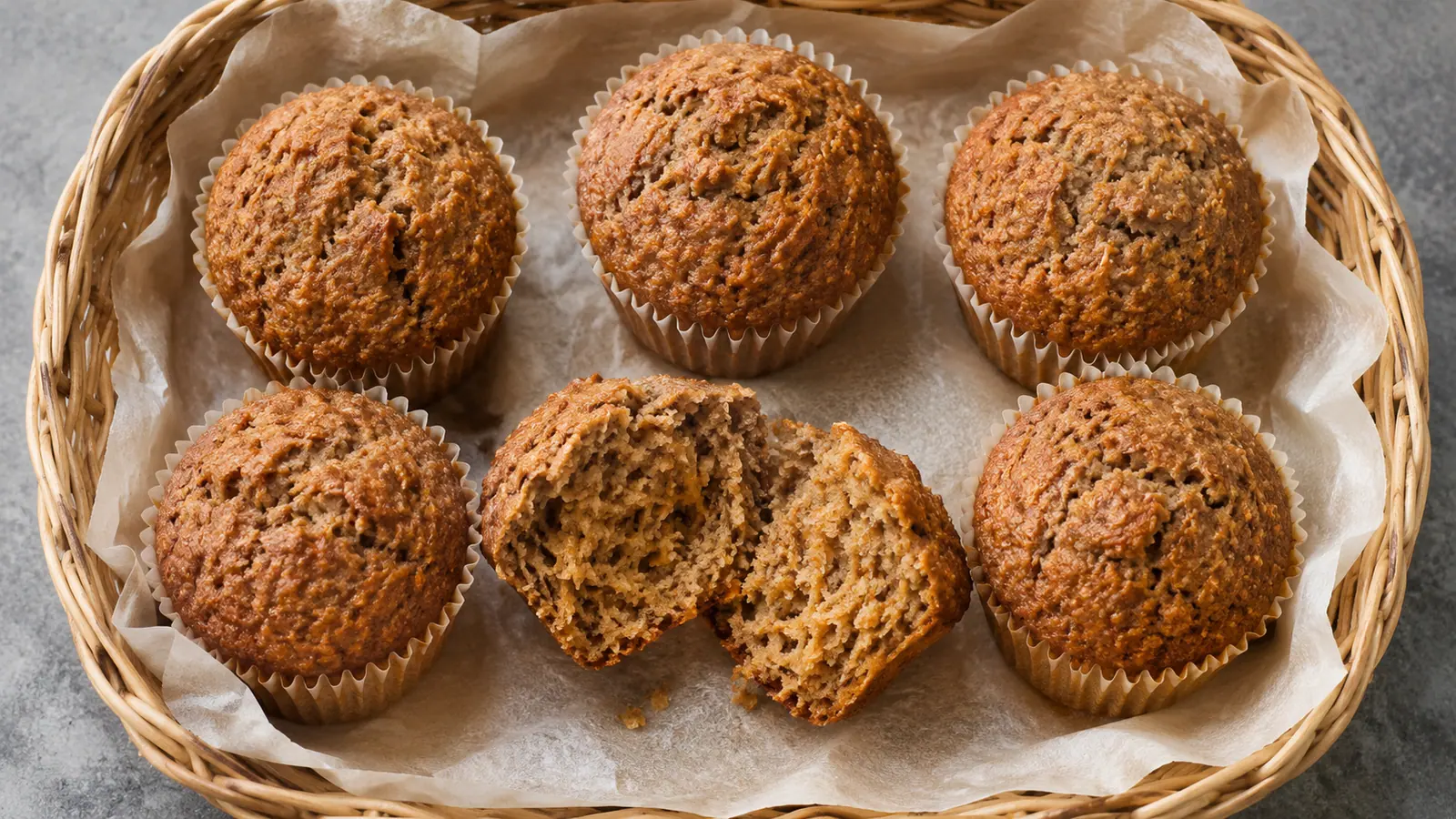
Muffins · 52 min
Apple Bran Breakfast Muffins
Bake apple bran breakfast muffins in 52 minutes, with cinnamon, tender grated fruit and a soft crumb for a make-ahead basket of small morning portions.
Read recipe →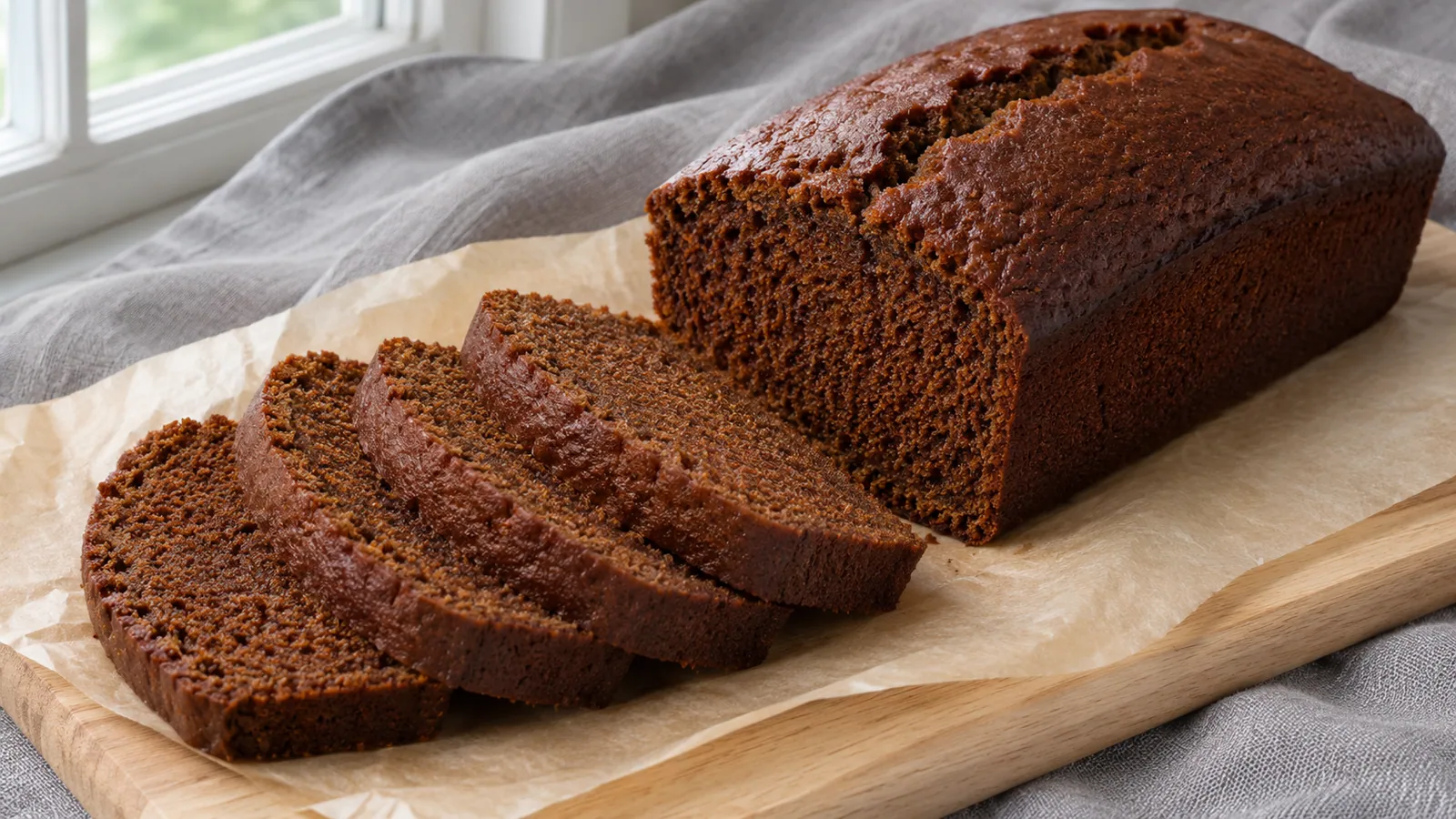
Holiday loaf cakes · 105 min
Apple Butter Gingerbread Loaf
Apple butter and blackstrap molasses give this spelt gingerbread a tender, dark crumb; set aside 1 hour 45 minutes for Christmas baking and cooling.
Read recipe →Tips and substitutions
Rinse the rice well so the broth stays golden and clear rather than starchy.
Brown rice keeps absorbing liquid as the soup sits, so keep extra broth warm and add it when reheating.
Nama shoyu is salty, and broths vary, so add the full tablespoon only after tasting the finished soup.
This soup is already dairy-free; no milk, butter or cheese is used.
For a gluten-free soup, replace the nama shoyu with a tamari whose package states it is gluten-free, since nama shoyu contains wheat.
Use 1 tablespoon of fresh grated ginger instead of the ground ginger, adding it with the garlic.
Storage, serving and make-ahead
Storage
Get the soup into covered containers and into the refrigerator within 2 hours of cooking. Keep it cold, 40°F (4°C) or lower, and eat it within 3 days. Bring leftovers back to 165°F with a splash of broth or water; the rice softens further as it sits.
Serving suggestions
Serve in deep bowls with a squeeze of lemon and a handful of chopped parsley, plus warm crusty bread or toast on the side.
Make ahead
Cook the soup a day ahead through step 4 and cool it quickly in shallow containers, then refrigerate. Reheat to 165°F, adding broth, and finish with lemon and parsley just before serving.
Allergens and product labels
Contains: soy, wheat.
Check each product label for allergen details.
Not offered right now: 1 jar (13 ounces) chickpeas, drained and rinsed.
Questions about this recipe
Can I use canned chickpeas instead of a jar?
Yes. Use about 1 1/2 cups of cooked, drained and rinsed chickpeas, which is roughly one 15-ounce can. Check your package label for salt, and taste before adding the shoyu.
Why does the rice take 40 minutes?
Whole grain brown rice has an intact outer layer that needs longer to soften than white rice. Simmering it in the broth first, then adding chickpeas for the last 10 minutes, keeps both at the right texture.
Is nama shoyu the same as regular soy sauce?
It is a similar fermented seasoning with a rounder flavor. The package lists soybeans, whole wheat, water and salt, so it is not suitable for people avoiding soy or wheat.
About this recipe
Estimates use package labels and USDA data; actual values vary.
By Akechi · Published .
Ingredient amounts are for cooking; products are sold as retail packages and pantry extras may be needed. Browse all recipes.